Courses Pipes in HDD
ST01G-CFD FREN
Pipes in horizontal directional drilling
HDPE, fused PVC, restrained-joint PVC and ductile iron: joining methods, pullback capacities, bend radii and selection criteria.
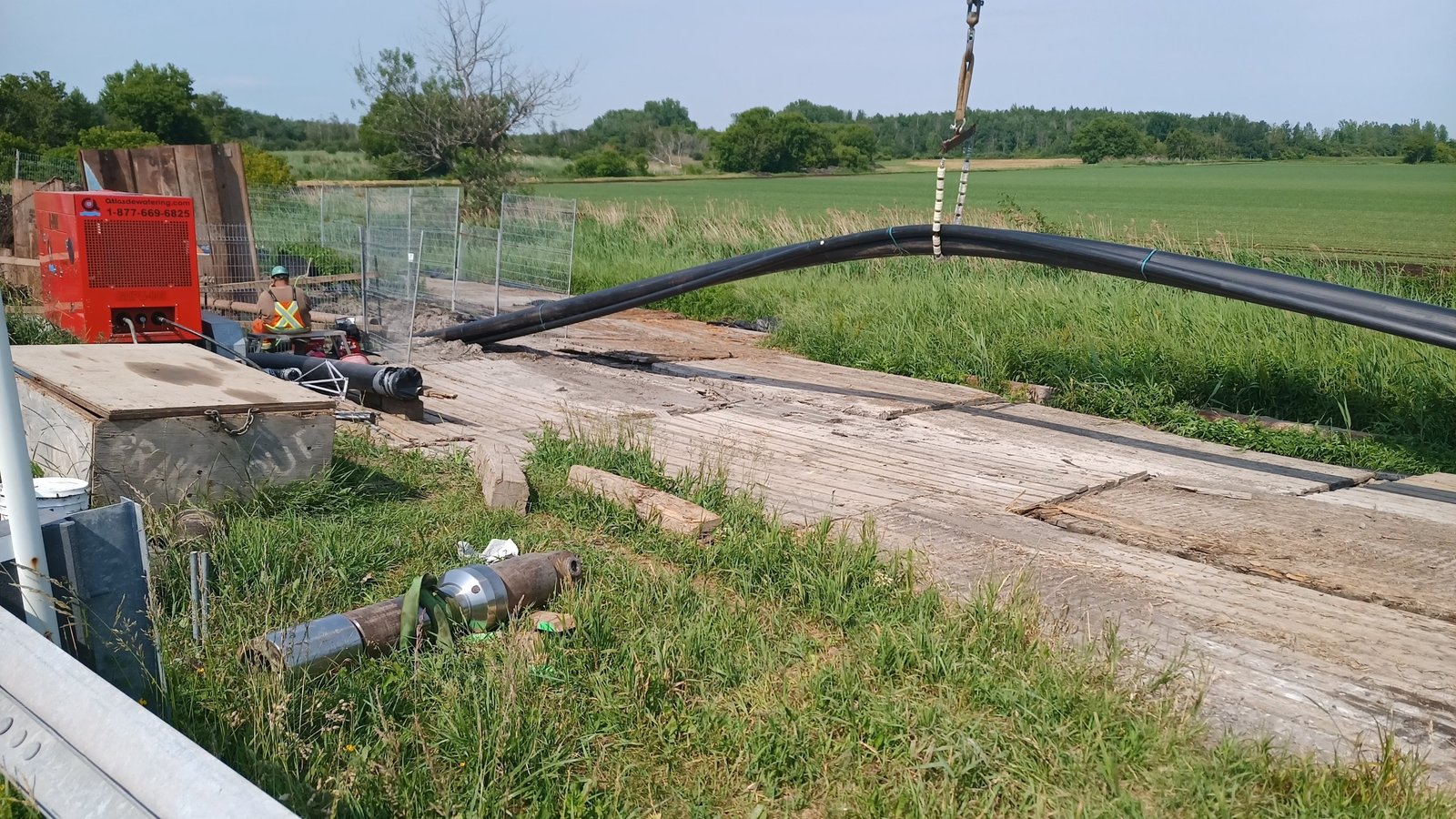
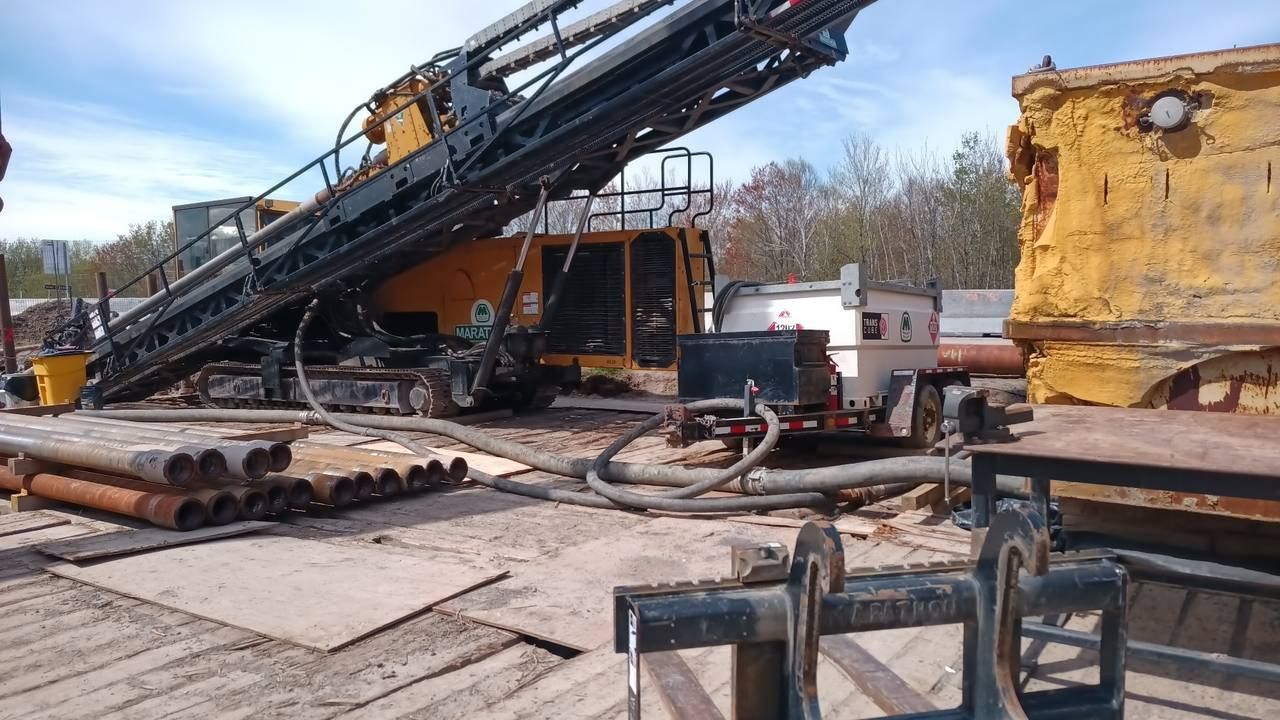
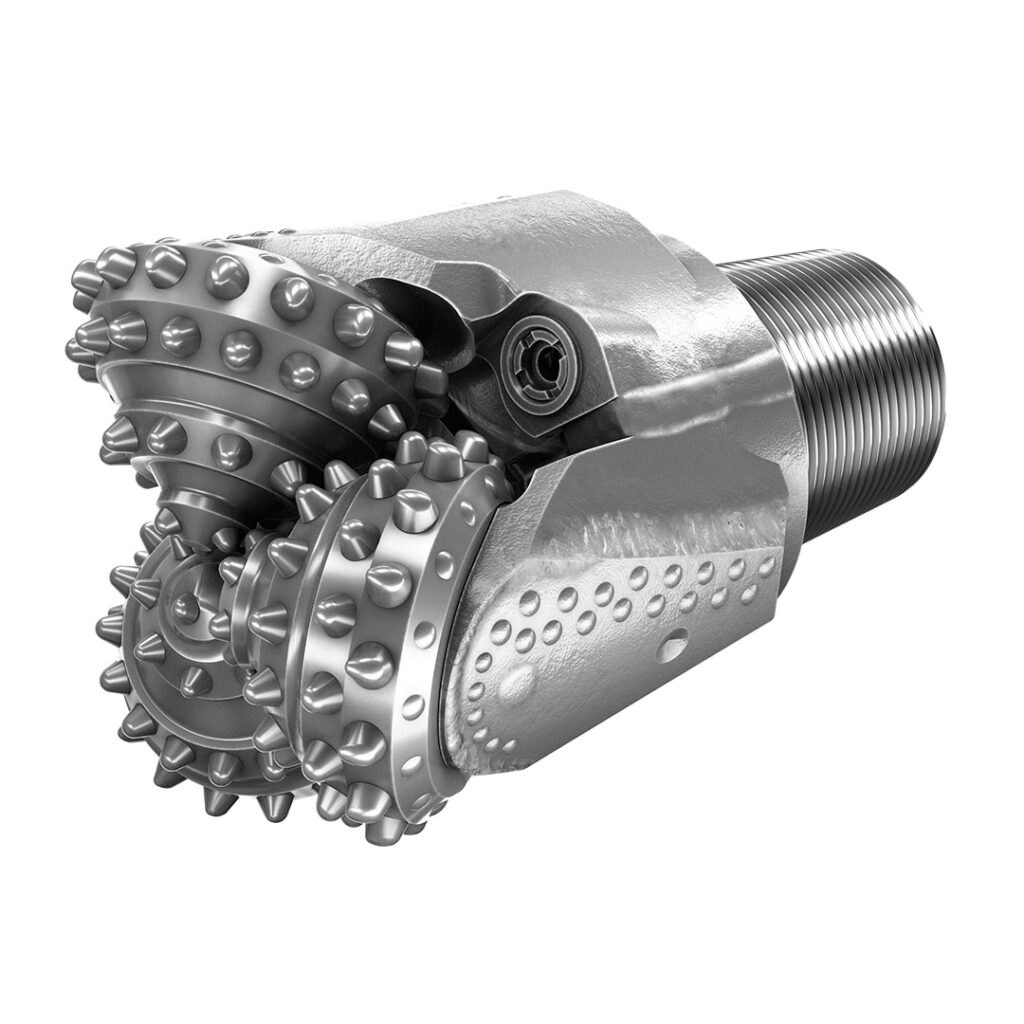
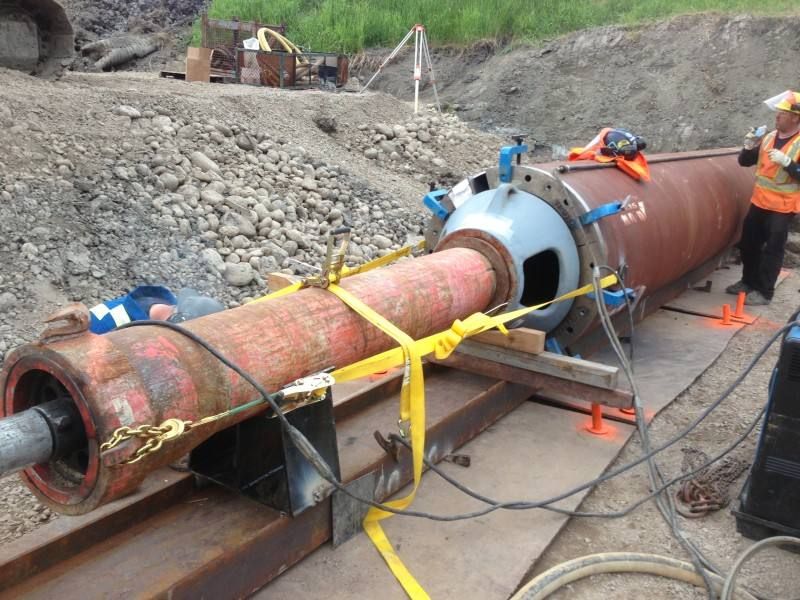
Module preview
4 of 56 slides, as they appear in the module.
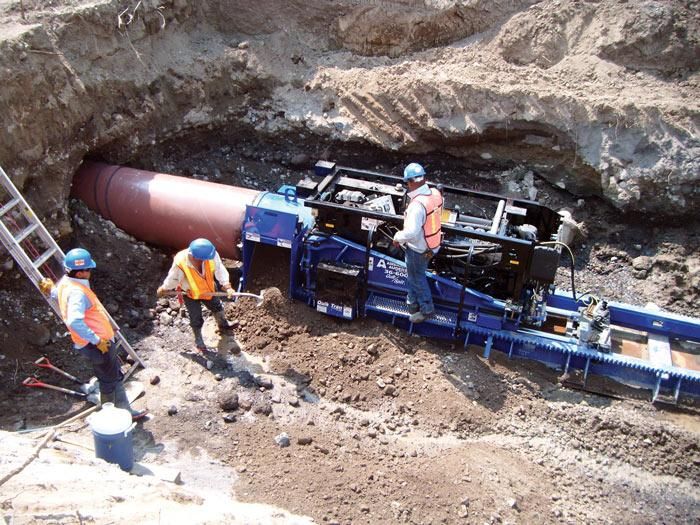
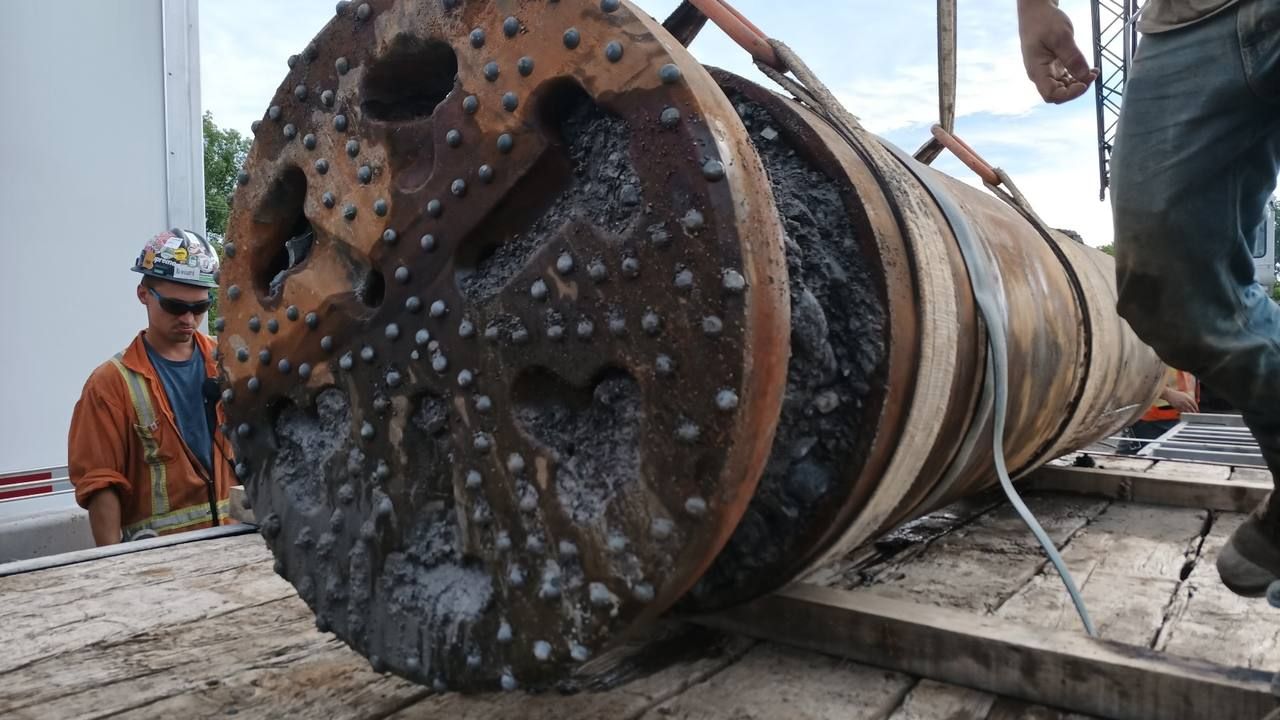
The choice of pipe determines the success of a directional bore as much as the rig or the drilling fluid. This module compares the five common solutions in the North American municipal context: HDPE, fused PVC, TerraBrute CR, Cobra Lock and ductile iron.
It explains how to read a data sheet, why the weakest component governs the pulling force and how to reason about pullable length, with manufacturer charts, a fusion animation and a case study.
Objectives
By the end of the module, you will be able to:
- Distinguish the five families of pipe used in directional drilling and their joining methods
- Read a data sheet: DN, OD, DR, allowable load and minimum radius
- Explain why the weakest component governs pullback capacity
- Compare the solutions: tension, bending, footprint, hydraulics, durability and cost
- Prepare the checks required before authorizing a pullback
Outline
- Principles: data to gather, loads and data sheets
- HDPE: joining, fusion, charts and radii
- Fused PVC
- Restrained-joint PVC: TerraBrute CR and Cobra Lock
- Ductile iron and its flexible joints
- Compare and choose
- Pullback, site work and case study
- Appendix: caveats and references
Other modules
-
 FREN ST01G-FHD
-
 FREN ST01G-FHR
-
 FREN ST01G-FON
-
 FREN ST01G-TAR
-
 FREN ST01G-MFT
-
 FREN ST01G-FHG
-
 FREN ST01G-SST